

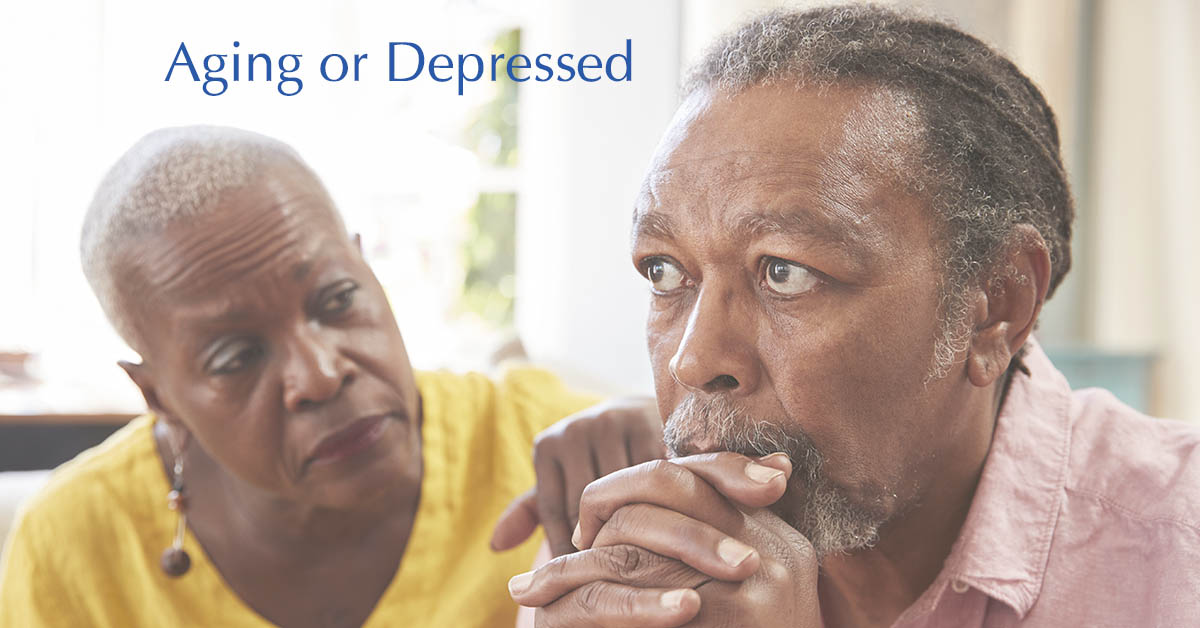
Although depression is a mental health condition and is a widespread problem in older adults, it is not a general part of getting older. Due to some overlap between signs of depression and signs of getting older, depression is often not recognized or treated. Elderly experiencing depression may just appear to be lost in thought […]
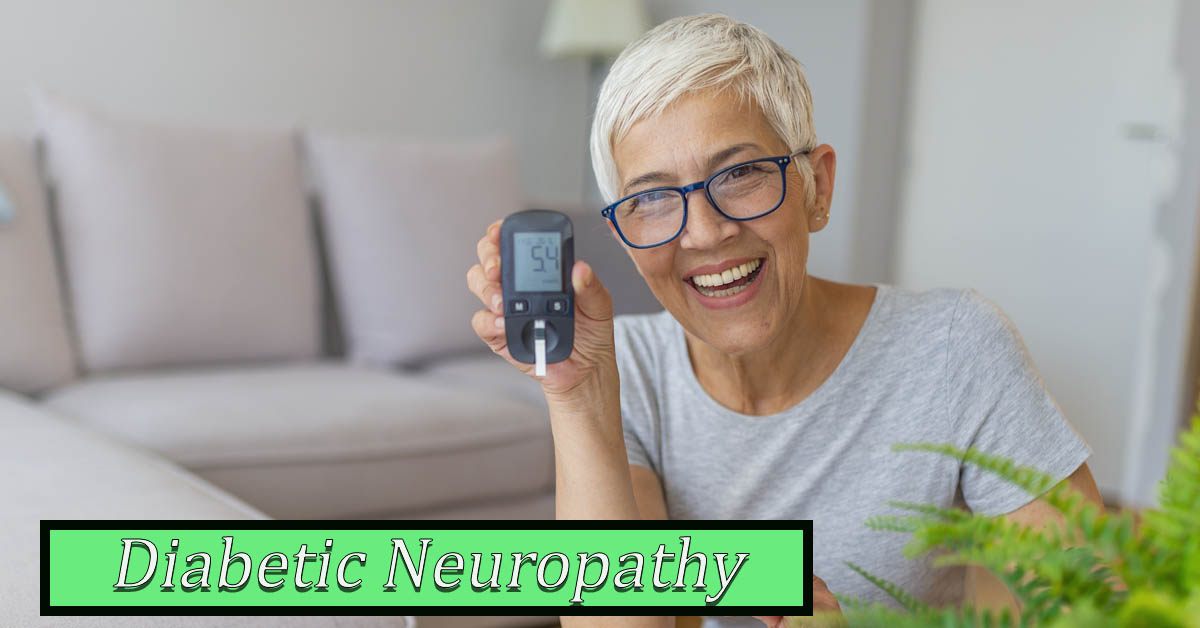
Although different types of diabetic neuropathy can affect people who have diabetes, research suggests that up to one-half of people with diabetes have peripheral neuropathy.1 Neuropathies are a series of conditions that cause damage to the nervous system. More than 30 percent of people with diabetes have autonomic neuropathy.2 Autonomic neuropathy affects involuntary functions of […]
It’s no secret that cardiovascular problems during the middle and latter years can cause cognitive decline as people age. However, a new study shows that high blood pressure, high cholesterol levels, and elevated blood sugar in early adulthood are also linked to cognitive deficits later in life.1 The study started with over 3000 people between […]

Adults aged 65 and older still need to be active. This does not necessarily mean running miles or lifting weights. Good physical activity is essential to healthy aging. The phrase “use it or loose it” is a statement that becomes truer as we get older. There are three major actions you can take to stay […]
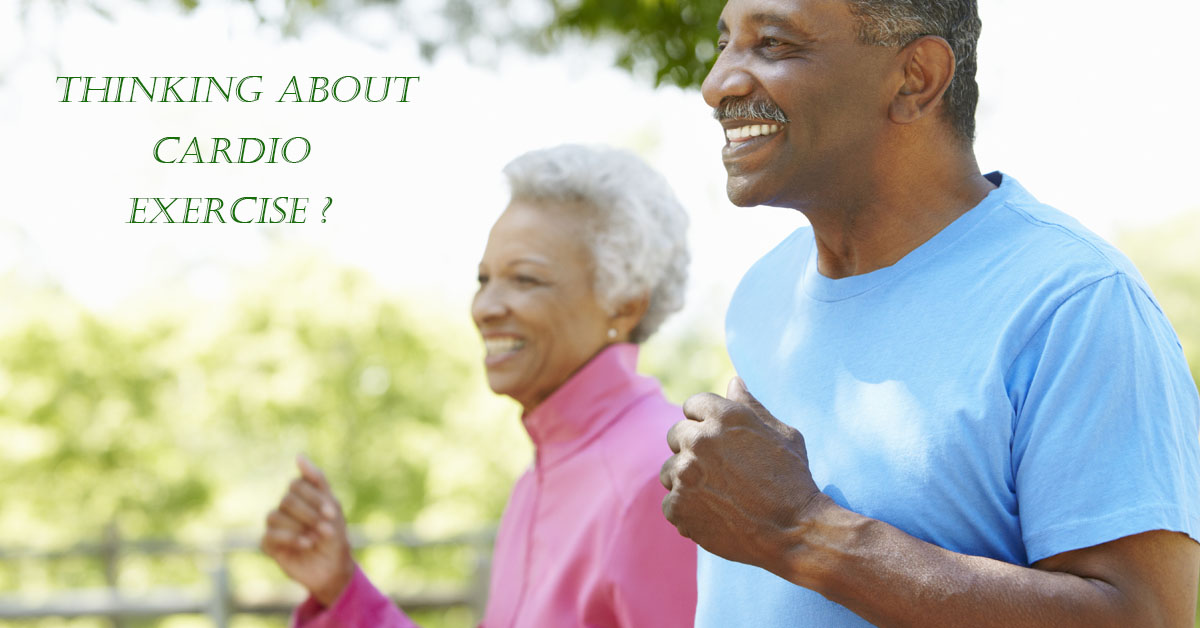
The Physical Activity Guidelines for Americans recommends that adults get at least 150 minutes of moderate-intensity aerobic physical activity each week.1 Many people do not reach this mark because they either don’t enjoy workouts or have medical issues that make traditional exercise a challenge. People also sometimes think it takes too much time and effort. […]
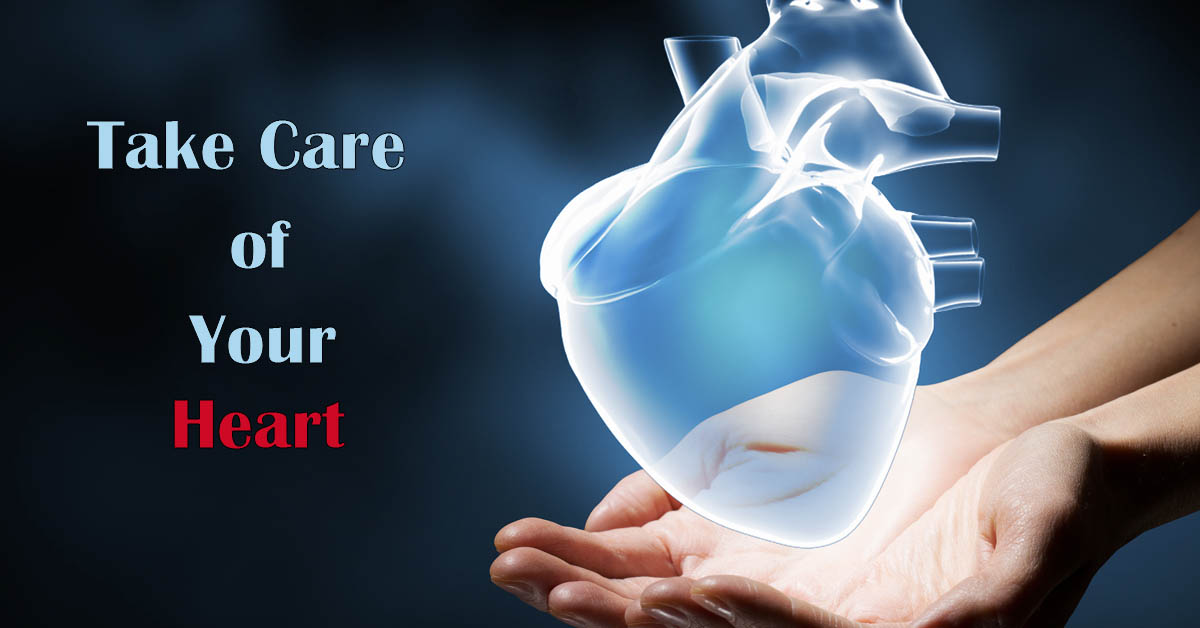
The term “silent heart attack” refers to when a person has a heart attack but didn’t know. Surprisingly, a study published recently in Circulation, the Journal of the American Heart Association, found that 45% of heart attacks happen without people being fully aware.1 The problem is that silent heart attacks cause just as much damage […]
Loneliness increases with age, and it is connected with a surprising number of health effects such as high blood pressure, heart disease, a weakened immune system, anxiety, depression, cognitive decline, Alzheimer’s disease, and even mortality. When it comes to loneliness, we all feel it in different ways. Some people feel lonely when they are by […]
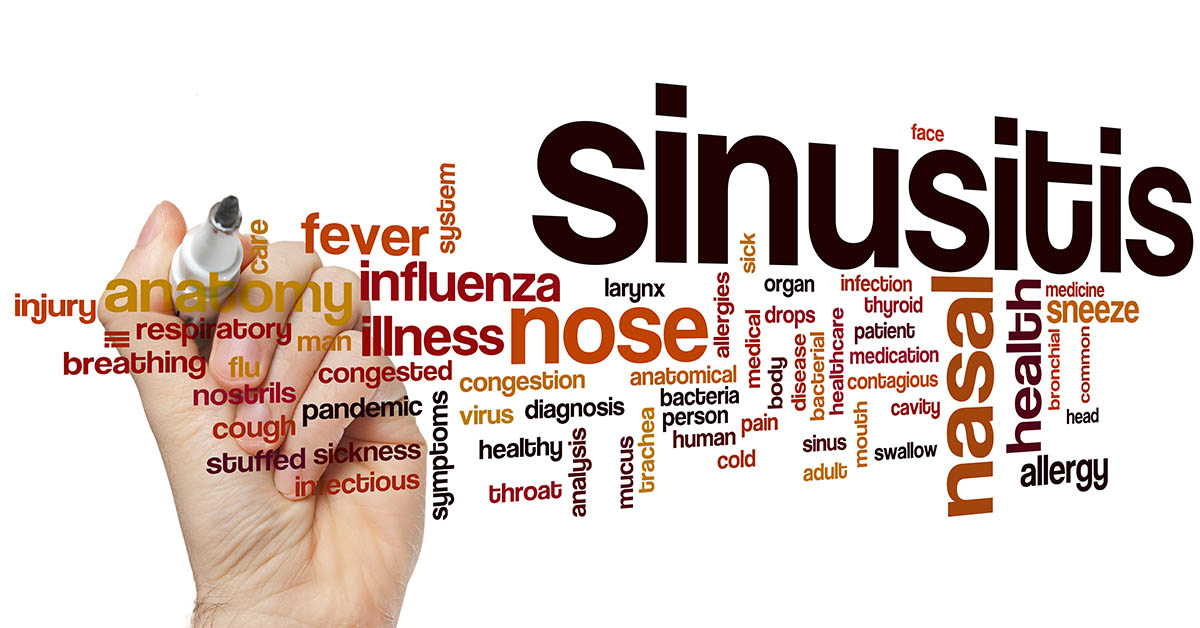
With the ever-changing climate, sinuses are working overtime. As overlooked as it is, geriatric sinusitis is very common. Patients with nasal obstruction or congestion, a runny, itchy, or even dry crusting nose may be experiencing geriatric sinusitis.[1] What are the symptoms: The three types of sinusitis are allergic, non-allergic, and atrophic. When treating patients with […]
Some patients with dementia and Alzheimer’s can live in the community with some help from family or home care providers. Below are tips to help people live with safety and confidence. These steps are great building blocks to help persons with Alzheimer’s disease, but being flexible and capable of adapting to individuals will help deal […]
Some patients with dementia and Alzheimer’s can live in the community with some help from family or home care providers. Below are tips to help people live with safety and confidence. These steps are great building blocks to help persons with Alzheimer’s disease, but being flexible and capable of adapting to individuals will help deal […]
