

A stroke can be a scary thing to experience. Knowing the signs and symptoms of a stroke may assist in being able to take quick action and perhaps save a life. The signs of a stroke are: Sudden numbness or weakness in the face, arm, or leg, usually on one side of the body. Sudden […]

Laughter has physiological effects on the body; it changes brain function and body chemistry.[1] Some examples of the changes are: Increases heart and respiratory rates as well as oxygen consumption. Increases stroke volume of the heart and dilates blood vessels. Lowers levels of the stress hormone, cortisol. Laughter also has the following effects on specific […]
From long haul truckers to teachers, there are many instances when adults find themselves needing to resist the urge to urinate from time to time. While delaying nature’s call for an hour or two won’t pose any health threats, it’s possible to harm our bodies by holding urine for too long or by making a […]

With cardiovascular disease (CVD) being the leading cause of death[1] in the United States, and obesity and physical inactivity being at epidemic proportions, there is a great need for novel strategies and interventions to reduce the risk of CVD. Accordingly, the benefits of pet ownership have received considerable attention from the Centers for Disease Control […]
A stroke happens when there is a loss of blood flow to part of the brain. Then brain cells cannot get the oxygen and nutrients they need from blood, and they start to die within a few minutes. This can cause lasting brain damage, long-term disability, or even death. There are two types of strokes: […]
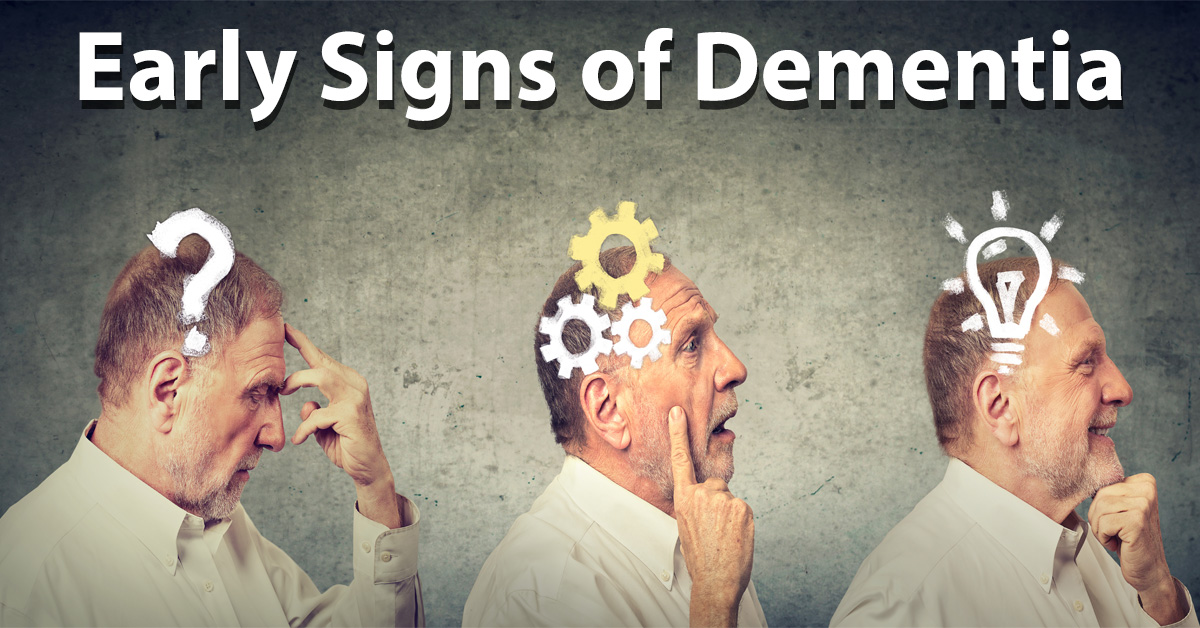
Dementia is a loss of mental functions that is severe enough to affect your daily life and activities. These functions include: Memory loss, usually noticed by someone else Language skills, difficulty finding words and communicating Visual perception (the ability to make sense of what we see) Problem solving Trouble with everyday tasks The ability to focus […]
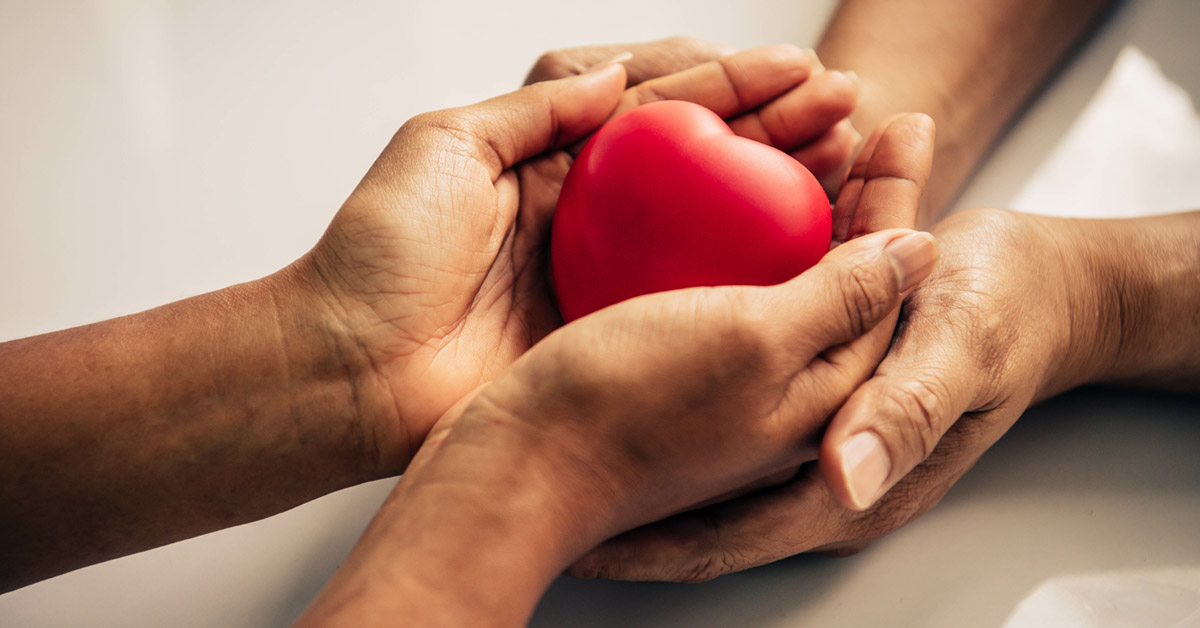
Atrial fibrillation (A-fib) and heart failure are increasing in prevalence worldwide and often associated with poor outcomes. However, some people are not aware they have atrial fibrillation until it is detected when a doctor is listening to the heart with a stethoscope. If you have difficulty breathing, or have chest pains lasting more than a […]

Younger people may perceive urinary tract infections (UTIs) as a nuisance, but for the elderly, it can be a serious condition with unexpected symptoms. Seek medical attention promptly. The urinary system is the body’s drainage system for removing wastes and extra water. It includes two kidneys, two ureters, a bladder, and a urethra. UTIs are […]
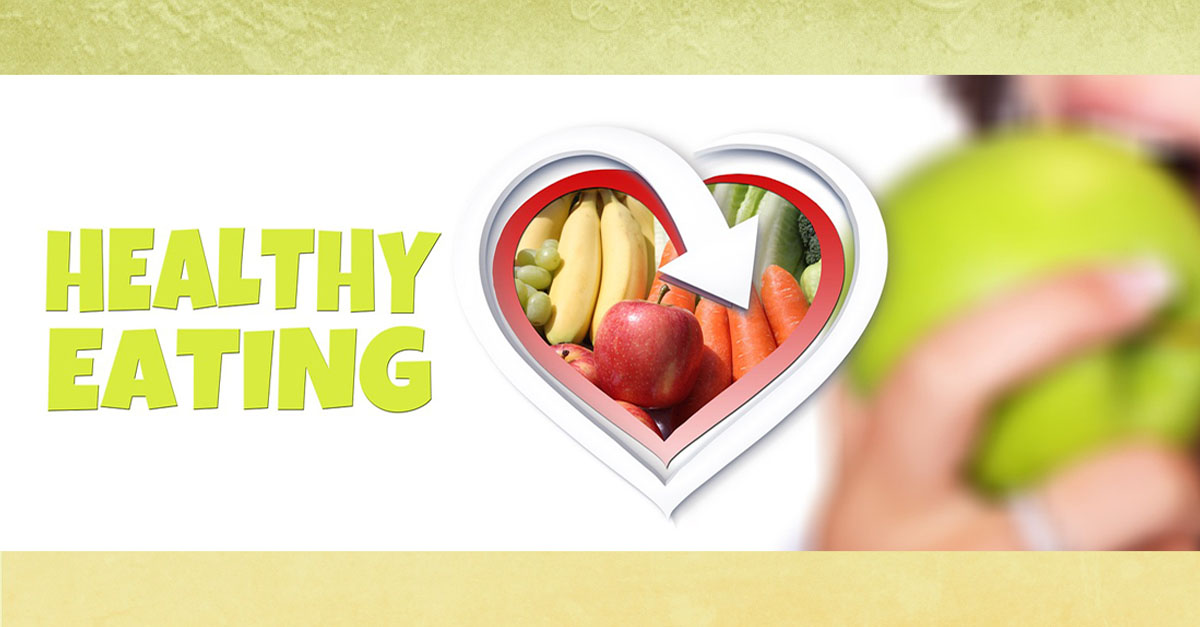
Good nutrition is important, no matter what our age. It provides energy and can helps control weight. It may also help prevent some diseases, such as osteoporosis, high blood pressure, heart disease, type 2 diabetes, and certain cancers. But as we age, our bodies and life changes, and so does what we need to stay […]
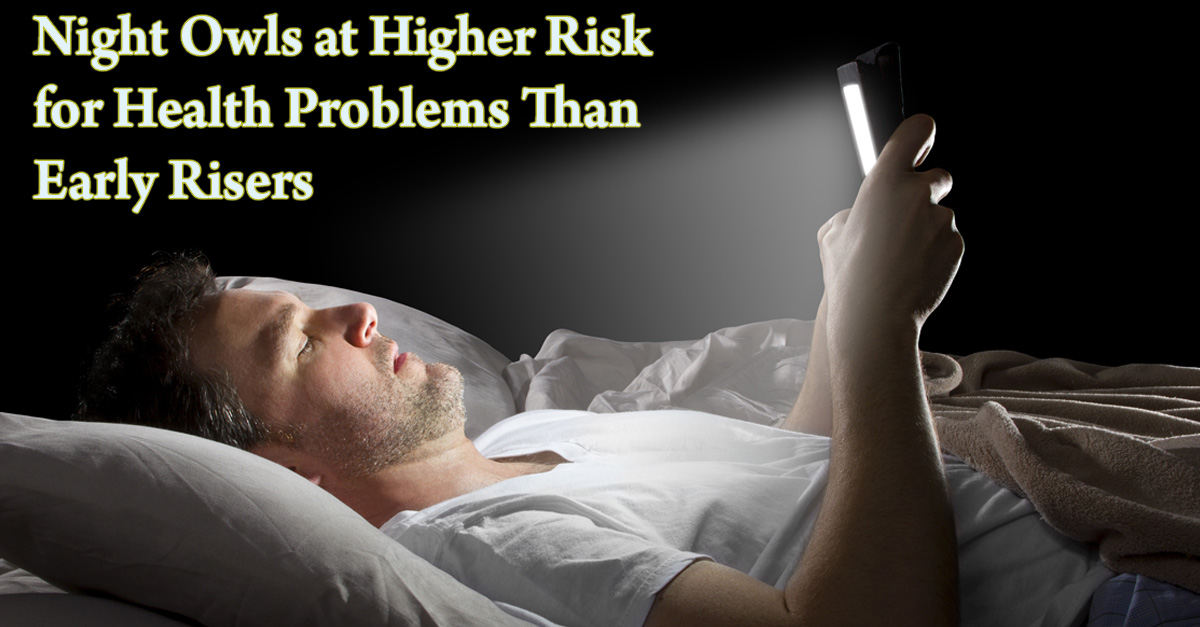
A recent study finds that night owls are more at risk for health problems such as diabetes, sarcopenia (a condition where the body gradually loses muscle mass), and metabolic syndrome (a collection of health conditions that increases the risk of diabetes, heart disease, and stroke). This is true even if the night owls sleep the […]
